The Evolution of Bagging Machines: What to Expect in 2026
The landscape of packaging technology is continuously evolving, driven by advancements in automation and changing consumer demands. As industries strive for higher efficiency and reduced waste, bagging machines manufacturer trends are emerging to meet these needs, specifically for automatic bagging machines that streamline operations and improve packaging accuracy. By 2026, we expect to see significant changes in the capabilities of these machines, propelled by both technological innovations and market forces.
Trends Shaping the Future of Bagging Machines
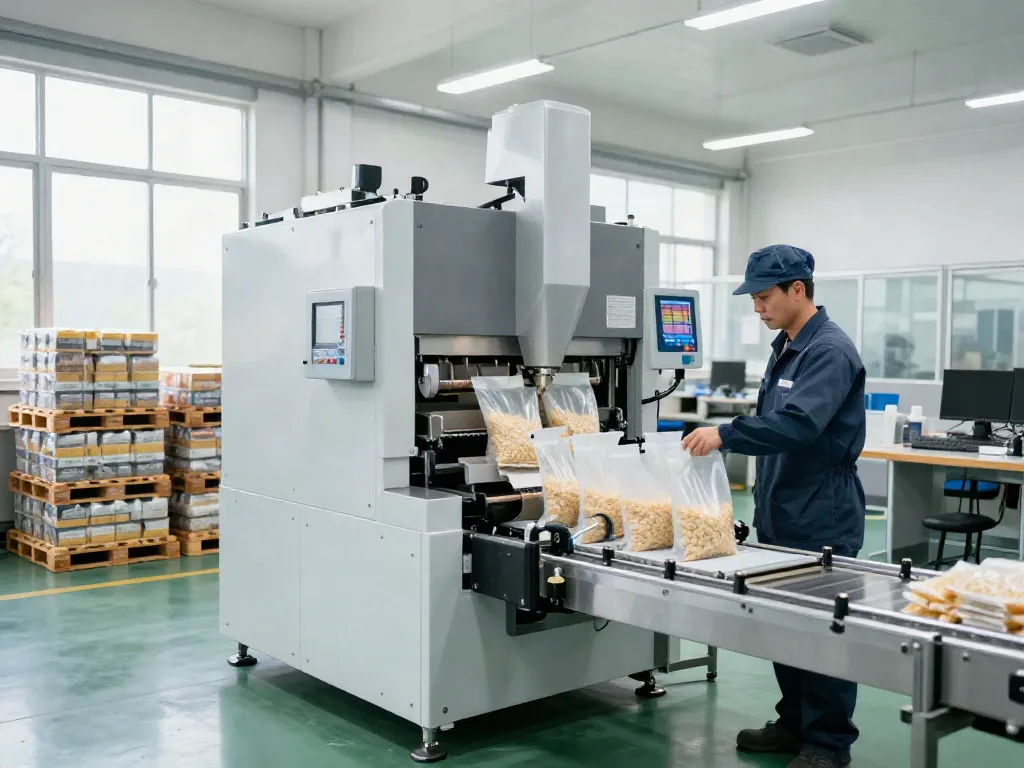
Recent trends in the industry indicate a shift towards increased automation, with smart technologies being integrated into bagging machines. These advancements include IoT capabilities enabling machines to communicate with other equipment, share real-time data, and perform predictive maintenance. As companies adopt these smarter systems, they not only improve their operational efficiency but also enhance product quality, demonstrating the critical role of bagging machines in modern production lines.
Technological Innovations in Automated Packaging
Automated packaging systems are increasingly relying on cutting-edge technologies such as machine learning and artificial intelligence (AI) to optimize processes. AI can analyze production data and user behavior, enabling machines to adjust settings dynamically for different products and conditions. This level of adaptability not only reduces downtime but also minimizes the risk of human error, leading to more consistent packaging outcomes and higher customer satisfaction.
Consumer Demands and Their Impact on Manufacturing
Today's consumers are more informed and expect higher quality and customization options. This shift is influencing manufacturers to adopt flexible bagging solutions that can quickly adapt to different product types and packaging sizes. As a result, bagging machines are evolving to offer customizable features, accommodating everything from small-scale artisanal products to bulk packaging for industrial uses.
Understanding Different Types of Bagging Machines
To choose the right solution for your business needs, it's essential to understand the various types of bagging machines available. The two primary categories are open-mouth bagging machines and form-fill-seal (FFS) systems. Each type serves different purposes and industries.
Comparative Overview of Open-Mouth vs. FFS Machines
Open-mouth bagging machines are designed for products that can be poured or gravity-fed into bags. They are ideal for granular or powdery substances like grains, sugar, or flour. Conversely, FFS machines form the bag from a roll of film, fill it with the product, and seal it, making them suitable for liquids and products requiring high-speed processing. Understanding the differences can assist manufacturers in making an informed choice tailored to their material needs.
Industries Benefiting from Auto Bagging Solutions
Auto bagging solutions are highly versatile and find applications across various industries. Key sectors benefiting from modern bagging technology include:
- Food and Beverage: Ensuring freshness and hygiene in packaging.
- Pharmaceuticals: Meeting strict regulations for drug packaging.
- Consumer Goods: Adapting to fast-changing market trends.
- Agriculture: Efficiently packaging fertilizers and seeds.
- Chemicals: Safely handling and packaging hazardous materials.
Key Features of Modern Bagging Machines
Modern bagging machines boast several advanced features that enhance their operational capabilities:
- High-speed Operation: Advanced motors and mechanisms enable rapid filling and sealing.
- Precision Control: Accurate measurement systems ensure consistent product quantities.
- Customizable Interface: User-friendly interfaces allow operators to adjust settings easily.
- Integrated Safety Features: Prevents accidents and ensures compliance with safety regulations.
- Energy Efficiency: Reduced energy consumption through smart technologies and optimized processes.
Maximizing Efficiency with Auto Bagging Machines
Efficiency is a key driver in manufacturing, and implementing auto bagging machines can significantly enhance production workflows. However, achieving optimal efficiency requires careful planning and execution.
Best Practices for Implementing Automation
When integrating auto bagging machines into your operations, consider the following best practices:
- Conduct a Thorough Needs Assessment: Understand your packaging requirements and select the appropriate machine.
- Invest in Quality Training: Ensure operators are well-trained to maximize the equipment's capabilities.
- Utilize Maintenance Programs: Regularly scheduled maintenance can help prevent downtime and extend machine life.
- Analyze Data: Use data analytics to refine packaging processes continuously.
Common Challenges in Automated Bagging and Solutions
Automated bagging systems do come with challenges, such as material compatibility, machine setup, and operational disruptions. Identifying these issues early can help manufacturers implement solutions to maintain productivity.
For instance, ensuring that the chosen machine can handle various materials without jamming is critical. Continuous monitoring and adjustments to the machine settings can address compatibility issues before they escalate, providing a smoother operation.
Real-World Case Studies: Success Stories
Many businesses have successfully implemented auto bagging solutions to enhance their efficiency:
- Food Manufacturer: A leading food producer adopted an FFS system that increased their packing speed by 40%, significantly reducing labor costs.
- Pharmaceutical Producer: A medication producer integrated a high-speed bagging machine that improved compliance with regulatory standards while doubling their output.
Evaluating Bagging Machines: A Comprehensive Buyer’s Guide
Choosing the right bagging machine is a significant investment that requires careful evaluation of various factors that can impact performance and return on investment.
Criteria for Selecting the Right Bagging Machinery
Consider the following key criteria during evaluation:
- Product Type: Analyze the characteristics of the product to be packaged.
- Bag Size and Type: Select machines that can accommodate the required bag dimensions.
- Production Speed: Assess your production goals to determine machine speed requirements.
- Ease of Use: Ensure the machine has a user-friendly interface for operators.
Top Manufacturers to Consider in 2026
In 2026, several manufacturers are anticipated to lead the market, including:
- Durzerd Machine: Renowned for its reliable and flexible auto bagging solutions.
- Choice Bagging Equipment: Celebrated for customizable and durable bagging systems.
- Sealed Air: Notable for their innovative FFS technologies.
Cost Analysis: What You Need to Know
Understanding the costs associated with acquiring and maintaining a bagging machine is crucial. Organizations should account for:
- Initial Investment: The purchasing cost of the machine itself.
- Operational Costs: Maintenance, labor, and energy consumption.
- Potential Savings: Calculate the ROI based on increased efficiency and reduced waste.
The Future of Packaging: Trends to Watch Beyond 2026
As technology continues to advance, the packaging industry will experience transformative changes. Here are some future trends to anticipate:
Emerging Technologies in Packaging Automation
Expect to see further integration of robotics and AI, optimizing packaging lines even more. Machines will likely become more autonomous, making decisions based on real-time data and significantly reducing the need for human intervention.
Environmental Considerations and Sustainable Practices
Sustainability will remain a significant focus in the packaging industry. Manufacturers will increasingly adopt eco-friendly materials and processes, seeking to minimize environmental impact while ensuring compliance with evolving regulations.
Expert Predictions for the Next Decade
Experts predict that the demand for customizable, high-speed packaging solutions will continue to grow. This demand will drive innovations in machine designs and materials, leading to the creation of smarter, more adaptive packaging systems.
Who are some manufacturers of automated bagging machines?
There are several reputable manufacturers within the industry that specialize in automated bagging machines. Companies like Durzerd and Choice Bagging Equipment are notable names.
What are the best automated bagging systems?
The best automated bagging systems depend on the specific application and products being packaged. Leading systems typically offer high-speed performance, reliability, and flexibility for various packaging materials.
Where can I find bagging machines for sale?
Bagging machines can be purchased from specialized manufacturers, online marketplaces, and industrial equipment suppliers, with many offering customization options to suit specific business needs.
What are the different types of bagging machines?
The main types of bagging machines include open-mouth baggers and FFS (form-fill-seal) systems, each designed to accommodate different packaging requirements.
How can I maximize the efficiency of my bagging machine?
Maximizing efficiency requires proper machine setup, regular maintenance, and continuous training for operators to ensure optimal operation and productivity levels.