
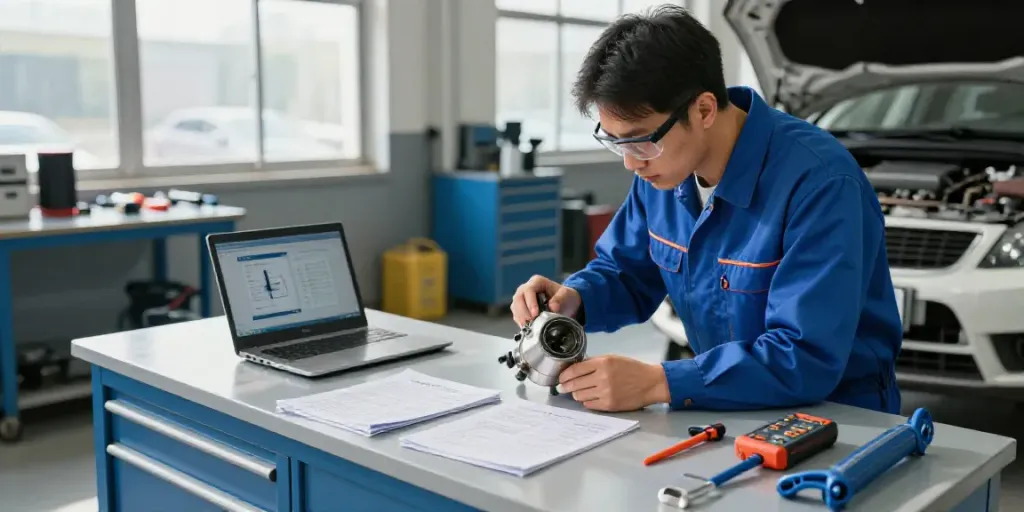
Understanding the Importance of DPF Reinigen
The Diesel Particulate Filter (DPF) is a critical component in modern diesel engines, designed to capture and store exhaust soot to reduce emissions. Regular maintenance of this filter is essential not only for the vehicle's performance but also for meeting environmental regulations. When exploring options, dpf reinigen services can provide comprehensive insights into how to keep your filter functioning optimally.
What is a Diesel Particulate Filter?
A Diesel Particulate Filter is a device installed in the exhaust system of diesel engines to filter out soot and particulate matter from the exhaust gases. This filter is essential for reducing harmful emissions that contribute to air pollution and health issues. By trapping soot, the DPF prevents these particles from entering the atmosphere, making it a vital component of the vehicle's emission control system.
Key Benefits of Regular DPF Cleaning
- Improved Engine Performance: A clean DPF ensures optimal engine function, leading to better fuel efficiency and power output.
- Reduced Emissions: Regular cleaning helps maintain compliance with environmental standards, reducing harmful emissions.
- Prolonged Vehicle Lifespan: Keeping the DPF clean can prevent costly repairs and extend the lifespan of the vehicle.
- Cost Savings: Preventative maintenance can save money by avoiding penalties and the high costs associated with DPF replacement.
Common Issues Caused by a Clogged DPF
A clogged DPF can lead to several issues, significantly affecting vehicle performance and compliance with emission standards. Common problems include:
- Reduced Power: A full DPF creates backpressure in the engine, leading to a noticeable loss of power and acceleration.
- Increased Fuel Consumption: When the DPF is clogged, the engine works harder, which can result in higher fuel usage.
- Engine Warning Lights: A clogged DPF often triggers warning lights on the dashboard, indicating the need for immediate attention.
- Potential Engine Damage: If left unchecked, a clogged DPF can lead to severe engine damage, resulting in costly repairs.
Methods for DPF Reinigen
Chemical Cleaning Techniques Explained
Chemical cleaning is one of the most common methods for DPF maintenance. This technique involves using specially formulated cleaning agents that help dissolve and dislodge soot and particulate matter accumulated in the filter. The process typically includes:
- Preparation: The DPF is detached from the vehicle and pre-cleaned to remove loose debris.
- Soaking: The filter is immersed in a cleaning solution to break down and remove contaminants.
- Rinsing: After soaking, the filter is thoroughly rinsed to eliminate any residual chemicals and soot.
- Drying: The filter is dried completely before being reinstalled to prevent moisture-related issues.
Mechanical Cleaning: Tools and Best Practices
Mechanical cleaning methods involve the use of specialized tools to physically remove soot from the DPF. Common techniques include:
- Blasting: High-pressure air or water is used to blast out debris from the filter.
- Vibrating Tools: These tools use vibrations to help dislodge soot particles without damaging the filter.
- Ultrasonic Cleaning: This advanced method employs ultrasonic waves to clean the DPF thoroughly without harmful chemicals.
Innovative Technologies in DPF Cleaning
As the automotive industry evolves, new technologies are emerging for DPF cleaning. These innovations aim to improve efficiency and effectiveness while reducing environmental impact. Some notable trends include:
- Automated Cleaning Systems: These systems utilize robotics and automation for faster and more consistent cleaning processes.
- Eco-Friendly Cleaning Solutions: Advances in chemical formulations are making it possible to clean DPFs using biodegradable solutions.
- Predictive Maintenance Technologies: Integrating IoT and AI, these technologies can predict when a DPF needs cleaning based on real-time data analysis.
DIY DPF Reinigen: Is It Possible?
Step-by-Step Guide for Home Cleaning
For those inclined to take on DPF cleaning as a DIY project, it is essential to follow a systematic approach. Here’s a simple guide:
- Gather Tools: Ensure you have the necessary tools, including gloves, safety goggles, a cleaning kit, and a pressure washer.
- Remove the DPF: Detach the filter from your vehicle, being careful not to damage any components.
- Pre-Clean: Use a vacuum to remove loose soot before applying any cleaning solution.
- Apply Cleaning Solution: Use a compatible DPF cleaner according to the manufacturer’s instructions.
- Rinse and Dry: Thoroughly rinse the DPF with water and allow it to dry completely.
- Reinstall: Once dry, reinstall the DPF back into the vehicle.
Common Mistakes to Avoid While DIY DPF Cleaning
While DIY cleaning can be cost-effective, it comes with risks. Avoid the following common mistakes:
- Using Improper Cleaning Solutions: Not all cleaning agents are safe for DPFs; using the wrong one can damage the filter.
- Neglecting Safety Precautions: Always wear appropriate safety gear to protect yourself from chemicals.
- Overlooking the Importance of Drying: Failing to dry the filter properly can lead to moisture-related engine issues.
- Reinstalling without Inspection: Always check the filter for damage before reinstalling, as even small cracks can lead to significant problems.
When to Seek Professional Help
While DIY cleaning can be effective, there are situations where professional assistance is advisable:
- Severe Clogging: If your DPF is severely clogged, professional cleaning is often more effective than DIY methods.
- Technical Difficulties: If you lack the tools or experience, it’s wise to seek help to avoid damaging your vehicle.
- Persistent Warning Lights: If the DPF warning light remains illuminated after cleaning, professional diagnostics may be required to identify underlying issues.
Maintenance Tips for DPF Longevity
Driving Habits That Affect DPF Health
How you drive plays a significant role in the health of your DPF. Implementing good driving habits can help maintain filter integrity and prevent clogging:
- Avoid Short Drives: Frequent short trips prevent the DPF from reaching optimal temperatures necessary for regeneration.
- Use the Correct Fuel: Ensure you're using high-quality diesel fuel to minimize soot production.
- Regular Highway Driving: Longer trips allow the engine and DPF to regenerate efficiently, burning off excess soot.
Regular Maintenance Practices for Diesel Vehicles
To ensure the longevity of your DPF, consider the following maintenance practices:
- Scheduled Inspections: Regular checks can identify issues early, preventing costly repairs.
- Use Additives: Diesel fuel additives designed for DPF maintenance can help reduce soot buildup.
- Engine Tuning: Keep your engine tuned to optimize combustion and lower emissions, reducing the strain on the DPF.
Signs Your DPF Needs Immediate Attention
Recognizing when your DPF needs cleaning is crucial. Here are some signs to watch for:
- Warning Lights: Dashboard lights indicating DPF issues should be addressed immediately.
- Unusual Engine Performance: If you notice a loss of power, it may indicate a clogged DPF.
- Excessive Exhaust Smoke: Dark or excessive smoke from the exhaust can signal a DPF problem.
Future Trends in DPF Cleaning Technologies
Emerging Innovations for 2026 and Beyond
The DPF cleaning landscape is evolving rapidly. Emerging innovations are set to redefine maintenance practices:
- Nanotechnology: Future cleaning solutions may utilize nanotechnology for enhanced soot removal at the molecular level.
- 3D Printing: Custom-made DPFs tailored to specific vehicle needs may become more common, improving efficiency and performance.
- Blockchain for Maintenance Records: Using blockchain for maintenance history can enhance transparency and increase trust in service providers.
Impact of Electric Vehicles on DPF Cleaning
As electric vehicles (EVs) gain popularity, their impact on DPF cleaning will be significant. While EVs do not have DPFs, hybrid vehicles will require effective DPF solutions:
- Reduced Demand for DPF Services: As traditional diesel vehicles decline, the need for DPF cleaning may decrease.
- Hybrid Maintenance Solutions: New strategies will need to be developed to address DPF maintenance in hybrid vehicles which still rely on diesel engines.
Expert Predictions for the Automotive Maintenance Industry
Experts predict that the automotive maintenance industry will continue to adapt to new technologies and consumer demands. Key predictions include:
- Increased Automation: More automated cleaning solutions and maintenance processes are expected to arise.
- Focus on Sustainability: Environmentally friendly practices will become a priority, driving innovations in cleaning methods.
- Data-Driven Maintenance: The use of data analytics will play a more significant role in predicting maintenance needs and enhancing the longevity of DPFs.