Understanding Water Treatment Equipment
In today's world, the demand for clean and safe water is more critical than ever. As industries expand and urban areas grow, the need for effective water treatment solutions is paramount. This has led to the emergence of a wide range of water treatment equipment designed to meet the diverse needs of various sectors. As you explore options, our Water Treatment Equipment Supplier provides comprehensive insights into the most advanced technologies available today.
What is Water Treatment Equipment?
Water treatment equipment encompasses a variety of systems and processes designed to improve water quality by removing contaminants, ensuring that the water meets health and environmental standards. This equipment is essential in numerous applications, from municipal water treatment facilities to industrial processes where water quality is critical for operations.
Types of Water Treatment Equipment Available
The types of water treatment equipment available can be broadly categorized into several key areas:
- Filtration Systems: These remove suspended solids, bacteria, and some chemicals from water.
- Chemical Dosing Systems: Used for precise chemical application to treat water effectively.
- Membrane Systems: Technologies such as reverse osmosis and ultrafiltration that leverage semipermeable membranes for purification.
- Disinfection Systems: Methods like UV treatment and chlorination to eliminate pathogens from water.
- Modular Systems: Flexible solutions designed for various applications, including containerized systems that can be deployed quickly.
Technological Innovations in Water Treatment
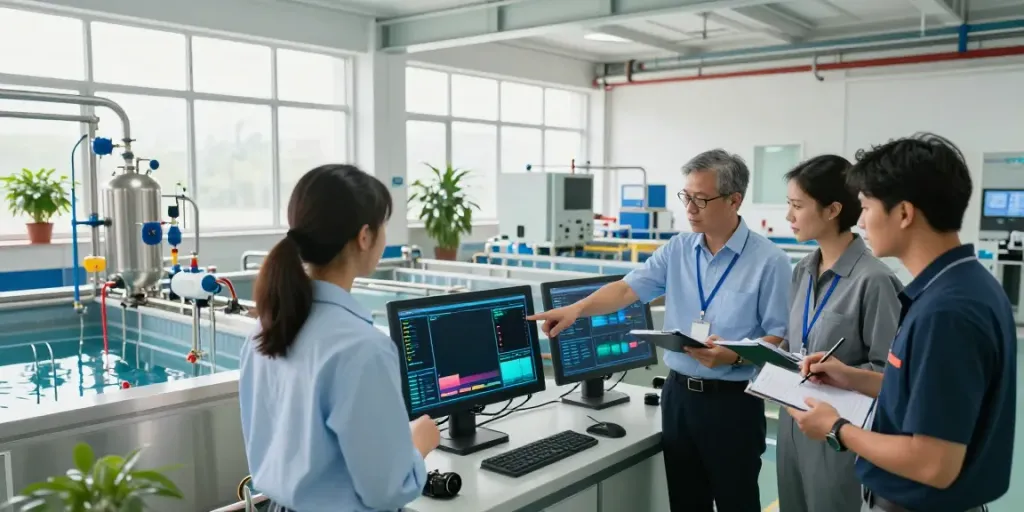
Recent technological innovations have transformed the landscape of water treatment equipment. From automation and smart monitoring systems to advanced filtration technologies, these innovations are designed to enhance efficiency and effectiveness. For example, intelligent control algorithms can optimize chemical dosing, ensuring that contaminants are effectively neutralized while minimizing excess chemical usage.
Identifying Your Requirements
Before investing in water treatment equipment, it's essential to assess your specific needs and challenges. Understanding the unique requirements of your industry can help you make informed decisions about the equipment that will best serve your operations.
Assessing Your Industry Needs
Different industries have varying water treatment needs based on specific contaminants and regulatory requirements. For instance, the food and beverage sector may prioritize systems that eliminate biological contaminants, while the textile industry might focus on chemical removal processes. Identifying these requirements is the first step towards selecting suitable equipment.
Common Challenges in Water Treatment Processes
Many organizations face challenges in their water treatment processes, including:
- Regulatory Compliance: Ensuring that water quality meets local and international standards.
- Cost Management: Balancing the need for quality treatment against budget constraints.
- Maintenance: Regular upkeep and repairs can be resource-intensive.
Understanding Regulatory Compliance for Equipment
Regulations governing water quality can vary widely between regions and industries. It’s imperative to stay updated on these regulations to ensure compliance and avoid potential penalties. Equipment that meets industry standards will not only protect your organization from legal repercussions but will also enhance your reputation as a socially responsible entity.
Evaluating Potential Suppliers
Choosing the right supplier is crucial for successful water treatment operations. The right partner will offer not only quality products but also the expertise needed to support your specific needs.
What to Look for in a Water Treatment Equipment Supplier
When searching for a water treatment equipment supplier, consider the following:
- Industry Experience: A supplier with a proven track record in your specific industry can often provide better insights and solutions.
- Product Range: Look for suppliers that offer a comprehensive range of equipment, including modular and containerized solutions.
- Customer Support: Ensure the supplier provides robust support and maintenance services.
Comparing Supplier Experience and Expertise
Take time to evaluate the experience level of potential suppliers. Case studies and customer testimonials can provide insight into how well the supplier's equipment performs in real-world conditions. Look for examples of how the supplier has successfully addressed challenges similar to those faced by your organization.
Customer Reviews and Case Studies
Reading customer reviews and case studies can offer valuable perspectives on a supplier's reliability and equipment effectiveness. Engaging with existing customers can also provide insights that aren't found in promotional materials.
Making Informed Decisions
After evaluating your needs and potential suppliers, the next step is making informed decisions about your water treatment equipment investments.
Cost vs. Value Analysis of Water Treatment Equipment
Cost considerations are paramount, but they should not overshadow the value that high-quality equipment brings. Consider long-term savings achieved through energy efficiency, reduced maintenance needs, and compliance with regulations. Conduct a thorough cost vs. value analysis to ensure you get the best return on investment.
Long-Term Maintenance and Support Considerations
When selecting water treatment equipment, consider the long-term maintenance and support requirements. A product with high durability and low maintenance costs can significantly reduce operational downtime and expenses.
Adapting Equipment to Future Industry Needs
The water treatment industry is evolving rapidly, driven by technological advancements and regulatory changes. Choose equipment that can adapt to future needs, such as modifications for improved efficiency or compliance with new regulations.
Current Trends and Future Outlook
As we look toward the future of water treatment, several trends are emerging that will shape the industry in 2026 and beyond.
Emerging Technologies in Water Treatment for 2026
Anticipated technological advancements include the integration of AI and machine learning to predict system failures and optimize performance. Additionally, innovations in membrane technology and bioreactors are expected to enhance the efficiency of water purification processes.
Environmental Impact and Sustainability Considerations
With an increasing focus on sustainability, water treatment equipment is becoming more eco-friendly. Suppliers are innovating to develop systems that minimize waste and reduce energy consumption, aligning with global sustainability goals.
Future Challenges in Water Treatment Equipment Supply
While advancements abound, the industry will continue to face challenges such as maintaining supply chains and managing the costs of raw materials. Suppliers must be agile and responsive to navigate these challenges successfully.
What are the top water treatment equipment suppliers?
Some of the leading water treatment equipment suppliers globally include Veolia, SUEZ, and Ecolab. These companies are known for their comprehensive product offerings and innovative solutions in water treatment.
How do I select the best equipment for my needs?
Selecting the best water treatment equipment involves assessing your specific requirements, evaluating different technologies, and considering your supplier's experience and support capabilities.
What regulations affect water treatment suppliers?
Water treatment suppliers must navigate a complex web of regulations that can vary based on location and industry, including environmental standards, safety regulations, and operational compliance codes.
What are emerging trends in water treatment technology?
Emerging trends include increased automation, the use of advanced materials in equipment manufacturing, and enhanced data analytics for performance monitoring and predictive maintenance.
How can I ensure equipment reliability and efficiency?
To ensure reliability and efficiency, invest in high-quality equipment, conduct regular maintenance, and stay aligned with the latest advancements in technology and industry standards.