Understanding the Importance of AI Data Centers
The rapid expansion of artificial intelligence (AI) applications has driven the demand for specialized facilities that can support their resource-intensive requirements. Today’s AI workloads necessitate robust infrastructure capable of high-performance computing, which is precisely where an AI data center comes into play. These facilities are engineered to optimize the processing capabilities needed for training algorithms and executing complex operations while ensuring efficiency and scalability. As industries increasingly rely on AI technologies, understanding what defines an AI data center is critical for stakeholders across various sectors.
What Defines an AI Data Center?
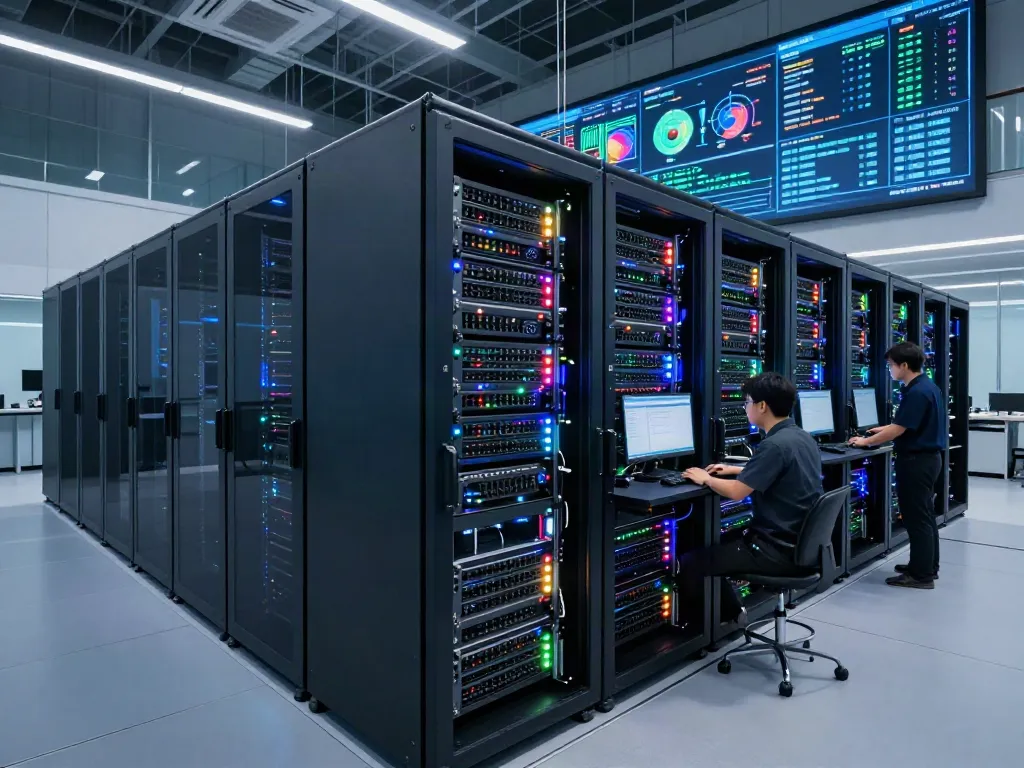
An AI data center is specifically designed to handle the unique demands of artificial intelligence processes. Unlike traditional data centers that cater to general computing needs, an AI data center focuses on high-density GPU (Graphics Processing Unit) computing, which is essential for running machine learning models and deep learning networks. This specialized infrastructure not only incorporates powerful hardware but also integrates advanced cooling and power management systems to sustain optimal operational conditions.
Key Components of AI Data Center Infrastructure
- High-Performance Hardware: The backbone of any AI data center includes high-performance servers equipped with multiple GPUs that significantly enhance computing power.
- Efficient Cooling Systems: AI data centers are prone to heat generation due to their heavy workloads. Adequate cooling solutions like liquid cooling systems are employed to maintain temperature and prevent overheating.
- Robust Networking: High-speed, low-latency networking ensures that data transfer occurs swiftly between nodes, which is crucial for real-time processing and model training.
- Scalable Power Supply: The design incorporates scalable power management systems that can readily adapt to fluctuating workloads, ensuring uninterrupted operations.
The Role of AI Data Centers in Computing
AI data centers play a pivotal role in the broader landscape of computing by providing the necessary infrastructure for AI applications. They facilitate the processing of vast datasets required for training machine learning models, which is essential for advancements in various fields such as healthcare, finance, and autonomous systems. Additionally, data centers enable businesses to leverage cloud-based AI services, making sophisticated technologies more accessible and cost-effective.
Challenges Facing AI Data Centers Today
Despite their critical role, AI data centers face a multitude of challenges that can impede their efficiency and effectiveness. Understanding these challenges is vital for the owners and operators of such facilities.
Common Misconceptions about AI Data Centers
One prevalent misconception is that AI data centers are merely advanced versions of traditional data centers. However, the operational requirements, power consumption, and cooling needs of AI workloads are significantly different. This misunderstanding can lead to inadequate planning and resource allocation, ultimately hampering performance.
Operational Risks and Pitfalls
Operational risks include hardware failures, system downtimes, and the challenges of maintaining service level agreements (SLAs) amid increasing demand. Effective preventive maintenance and robust risk management strategies are essential to mitigate these risks.
Environmental Impact and Sustainability Concerns
Another pressing issue is the environmental impact of AI data centers. They consume substantial amounts of electricity and contribute to carbon emissions. The industry is beginning to acknowledge this impact, leading to a push for more sustainable practices, such as using renewable energy sources and implementing energy-efficient technologies.
Best Practices for Optimizing AI Data Center Performance
To ensure that AI data centers operate at their highest potential, several best practices should be considered. These strategies focus on enhancing efficiency and improving overall performance.
Strategies for Efficient Power Management
Implementing smart energy management systems can help optimize power usage. This includes utilizing energy-efficient hardware, monitoring consumption patterns, and leveraging predictive analytics to anticipate and respond to load fluctuations effectively.
Implementing Effective Cooling Solutions
State-of-the-art cooling systems are crucial for maintaining optimal operating temperatures. Strategies may include liquid cooling solutions or evaporative cooling technologies that can effectively manage the thermal output of high-density GPUs.
Regular Maintenance and Upgrades for Longevity
Proactive maintenance and timely upgrades of both hardware and software are essential to extend the lifespan of data center infrastructure. Regularly assessing system performance can help identify and rectify potential issues before they escalate.
Emerging Trends in AI Data Centers Moving Forward
The AI data center landscape is continuously evolving, with several emerging trends set to shape its future operations and capabilities.
The Shift Toward Green AI Data Centers
As sustainability becomes increasingly vital, many organizations are pivoting towards green data centers that prioritize eco-friendly practices. This might include harnessing solar or wind energy, implementing highly efficient cooling systems, and designing infrastructures that minimize waste.
Integration of AI in Data Center Management
Ironically, the integration of AI technologies into data center management itself is on the rise. AI can streamline operations by automating routine tasks, enhancing predictive maintenance, and optimizing workload distribution to improve overall efficiency.
Future Technologies Shaping the AI Data Center Landscape
Emerging technologies such as quantum computing and edge computing are set to redefine the capabilities of AI data centers. While quantum computing promises breakthroughs in processing power for specific tasks, edge computing allows for quicker data processing closer to where the data is generated, leading to decreased latency.
Frequently Asked Questions about AI Data Centers
What is an AI data center?
An AI data center is a specialized facility designed to support the high-performance computing requirements of AI and machine learning workloads, typically utilizing GPU infrastructure for enhanced processing capabilities.
Where are the largest AI data centers located?
Some of the largest AI data centers can be found in technology hubs such as Silicon Valley, Seattle, and regions with favorable climates and energy costs that support efficient operations.
How does power allocation work in AI data centers?
Power allocation in AI data centers is managed based on real-time demand, ensuring that resources are utilized efficiently to meet the requirements of specific workloads while maintaining energy efficiency.
What are the benefits of using GPU infrastructure?
GPU infrastructure significantly enhances processing speeds for AI workloads, enabling faster training and inference times compared to traditional CPU-based systems, which is critical for maintaining competitive advantages in AI applications.
How can I optimize my AI data center operations?
Optimizing AI data center operations involves implementing energy-efficient practices, maintaining optimal cooling systems, conducting regular hardware upgrades, and incorporating AI technologies for process automation.