
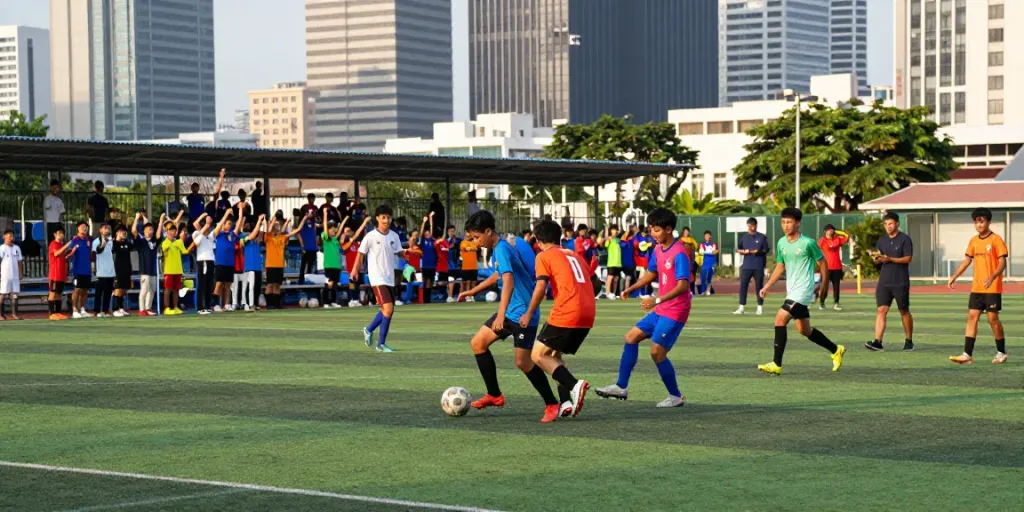
Understanding the Current Landscape of ข่าวฟุตบอลไทย
Thai football, or "ฟุตบอลไทย," has evolved significantly over the last decade, gaining increased attention both locally and internationally. Clubs are now striving for excellence not just in the domestic leagues but also on the international stage. When exploring options, ข่าวฟุตบอลไทย provides comprehensive insights into this dynamic landscape. As we look towards 2026, the growth of football in Thailand is not just a reflection of talented players but also a symptom of systematic developments within the sport itself.
The Growth of Football in Thailand
Football's popularity in Thailand continues to surge, with numerous grassroots initiatives and youth academies establishing themselves across the nation. Organizations are investing in infrastructure, leading to better training facilities and increased opportunities for young players. The Thai League, which is the country's premier football league, has seen a rise in competitiveness, attracting both local and international talent.
The increasing viewership numbers for Thai football matches, both on television and through live attendance, showcase the sport's growing significance in Thai culture. Major clubs such as Buriram United and Bangkok United are setting the benchmark for success, both on and off the pitch.
Key Players Shaping the Future
As the league progresses, several players stand out as key figures destined to influence the future of Thai football. Stars like Chanathip Songkrasin, who has made a name for himself in international competitions, exemplify the potential of Thai footballers on the global stage. Their performances in various leagues enhance the visibility of Thai talent and attract scouts from around the world.
Moreover, emerging players from youth academies are beginning to make their mark in the Thai League, indicating a bright future for the national team. Clubs are focusing on scouting and nurturing young talent, which is crucial for maintaining competitiveness in both regional and international competitions.
Emerging Trends in Thai Football
Technological advancements and data analytics are increasingly playing a role in enhancing player performance and decisions made by clubs. Many teams are now employing sports scientists and data analysts to improve training regimens and match strategies. Additionally, a growing emphasis on mental health and fitness has become apparent within the coaching community, aiming to foster more well-rounded athletes.
Moreover, the integration of social media in the promotion of football has opened up new channels for fan engagement, allowing clubs to connect with supporters more effectively than ever before. This engagement is crucial for building a loyal fanbase and enhancing the overall football experience in Thailand.
Challenges Facing the Thai Football Community
Despite the progress, the Thai football community faces several challenges that could hinder its development. Addressing these issues is essential for achieving sustained growth and success in the upcoming years.
Funding and Investment Issues
Financial backing remains a significant challenge for many clubs in Thailand. While top-tier teams may secure sponsorship deals and generate revenue through ticket sales and merchandise, lower-tier clubs often struggle with insufficient funding. This disparity can create a competitive imbalance, making it difficult for smaller clubs to invest in facilities and talent.
Additionally, there is a need for more investors to recognize the potential of the Thai football industry and consider it a viable area for investment.
Grassroots Development and Talent Identification
While grassroots programs are beginning to gain traction, the identification of talented young players remains inconsistent. Many potential stars may slip through the cracks due to inadequate scouting networks in rural areas. Enhancing grassroots initiatives and creating robust talent identification programs will be crucial for the long-term development of the sport.
Competitive Disparities Between Clubs
The gap between elite clubs and smaller teams continues to widen, creating competitive disparities within the league. Many fans have expressed concerns over the predictability of match outcomes, which detracts from the overall excitement of the league. Addressing these disparities through better financial distribution and support for lower-tier clubs can help create a more balanced competitive environment.
Strategies for Enhanced Performance in 2026
To navigate the challenges ahead, clubs and associations need to adopt innovative strategies that prioritize performance improvement and long-term sustainability.
Coaching Innovations and Methodologies
The football landscape is rapidly evolving, and coaching methodologies must adapt accordingly. Investing in the continuous education of coaches will ensure that Thai football remains competitive on an international level. Emphasizing tactical flexibility and fostering a culture of learning will be key to developing players who can thrive under various competitive environments.
Maximizing Player Development Programs
Clubs are increasingly recognizing the importance of player development programs. By creating pathways for young athletes to progress through the ranks, teams can cultivate home-grown talent rather than relying solely on foreign imports. This approach not only strengthens the national team but also instills a sense of identity within clubs.
Building Stronger Youth Academies
To attract and nurture emerging talent, substantial investments must be made into youth academies. These academies should provide comprehensive training programs that include technical skills, physical fitness, and mental resilience. Collaborating with experienced coaches and scouts will help ensure that the academies can identify and develop the best prospects effectively.
Fan Engagement and Community Involvement
Building a strong connection with fans is essential for the growth of Thai football. Engaging local communities and creating shared experiences will foster loyalty and support for clubs.
The Role of Social Media in Thai Football
Social media has become a powerful tool for engaging fans and creating dialogue within the football community. Clubs that effectively leverage platforms like Facebook, Instagram, and Twitter can boost visibility and reach broader audiences. By sharing behind-the-scenes content, match updates, and player interactions, teams can foster a sense of community among their supporters.
Connecting with Local Supporters
Involving fans in club activities and decision-making processes can enhance the emotional connection between clubs and their supporters. Initiatives such as fan forums, meet-and-greet events, and community outreach programs can facilitate this engagement and ensure that fans feel valued and heard.
Hosting International Matches and Events
Bringing international teams and events to Thailand can raise the profile of local football while providing invaluable experience for domestic players. Hosting high-profile matches not only generates revenue but also allows local clubs to showcase their talent on a global stage, potentially attracting international scouts.
The Future of Thai Football on a Global Stage
As Thailand continues to invest in football, the broader ambitions for its growth align with aspirations for international recognition.
Thai Clubs in International Competitions
In recent years, Thai clubs have participated more actively in international competitions, showcasing local talent against some of the best teams in Asia. Continued participation in tournaments such as the AFC Champions League will help elevate the standing of Thai football in the eyes of the global community.
Collaboration with International Teams
Partnerships with international clubs can yield mutual benefits. By sharing knowledge, resources, and training methodologies, Thai clubs can improve their overall competitiveness and provide players with exposure to different playing styles.
Vision for Thai Football in 2030 and Beyond
Looking towards 2030, the vision for Thai football should include establishing a robust domestic league that can sustain itself through fan engagement and financial stability. Striving for a national team that consistently qualifies for major tournaments will be vital for maintaining interest and investment in the sport.
What are the latest developments in Thai football?
Recent developments in Thai football reflect a growing commitment to professionalism and international standards. The implementation of stricter regulations regarding financial management and player transfers aims to enhance the integrity of the league.
How can local clubs improve their performance?
Local clubs can improve their performance by focusing on player development, enhancing fan engagement, and implementing modern coaching strategies that adapt to the evolving game.
What are the challenges for Thai football in 2026?
Challenges such as funding disparities, talent identification, and competitive imbalances remain. Addressing these through strategic planning and collaboration can help mitigate their effects.
How important is youth development for Thai football?
Youth development is crucial, as it lays the foundation for the future of the sport in Thailand. By nurturing young talent, clubs can ensure a steady pipeline of players capable of competing at the highest levels.
What role does fan engagement play in team success?
Fan engagement is vital for creating a supportive culture around clubs. A loyal fanbase not only boosts morale but also contributes to financial stability through ticket sales and merchandise.