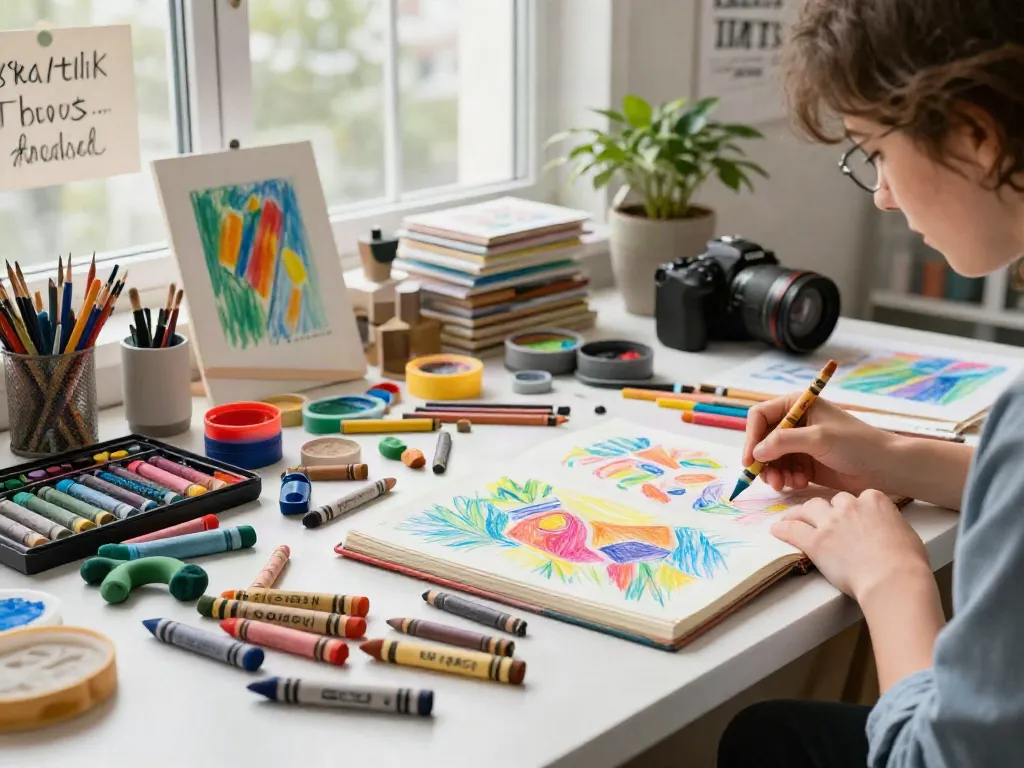
The Evolution of Crayon Manufacturing
The journey of crayon manufacturing has undergone significant transformations since its inception, evolving from simple coloring tools to sophisticated artistic instruments. This evolution reflects changing consumer preferences, technological advancements, and a growing emphasis on sustainability in the production process. In the quest for high-quality art supplies, crayon supplier play a pivotal role, providing a range of options to cater to diverse needs.
Historical Overview of Crayon Production
The history of crayons dates back to the 19th century when the first commercial crayons were introduced in France. Initially crafted from oils, charcoal, and pigments, these early crayons were rudimentary compared to today’s offerings. As manufacturers started to recognize the potential of crayons as educational tools and artistic supplies, production methods were refined. By the mid-20th century, brands like Crayola became household names, popularizing crayons among children and artists alike.
Modern Techniques in Crayon Making
In today’s crayon production landscape, advancements in technology have led to the creation of various types of crayons. Modern techniques often employ high-quality pigments and waxes, resulting in vibrant colors and improved durability. Automation in the manufacturing process also ensures consistency in product quality while reducing costs, making crayons more accessible to a broader audience.
Eco-Friendly Innovations in Crayon Manufacturing
With increasing environmental awareness, many crayon manufacturers have shifted towards eco-friendly practices. Innovations include the use of non-toxic materials and sustainable sourcing of raw ingredients. Beeswax crayons, for instance, are gaining popularity as an environmentally friendly alternative to traditional wax crayons. These products not only provide a safe option for children but also minimize the environmental impact associated with crayon production.
Types of Crayons Offered by Suppliers
When it comes to selecting crayons, suppliers offer a diverse range, each catering to different uses and preferences. Understanding the nuances of these types can help consumers make informed choices about which products best suit their needs. Here’s a closer look at the primary types of crayons available in the market today.
Exploring Wax Crayons: Cost and Quality
Wax crayons remain a staple in artistic and educational settings due to their affordability and ease of use. These crayons are typically made from paraffin wax and colored pigments. They are available in a wide array of hues, making them a popular choice for schools and art projects. Their lower minimum order quantities (MOQ) make them particularly attractive for bulk purchases, ensuring that every child has access to coloring tools.
Plastic Crayons: Versatility and Custom Shapes
Plastic crayons have gained traction due to their versatility and the ability to manufacture them in various shapes and designs. This innovation not only appeals to young artists but also allows for creative marketing opportunities. Suppliers can create custom sets tailored to specific themes or events, enhancing the consumer experience and providing additional avenues for branding.
Fabric Crayons: Fading Resistance and Usage
Fabric crayons are specially formulated to work on textiles, allowing artists to create vibrant, lasting designs on clothing and other fabric items. One of their most significant advantages is their washability; fabric crayon drawings can withstand multiple washes without fading, making them an ideal choice for projects that require durability and longevity. These crayons are popular among educators who incorporate art into textile projects.
Choosing the Right Crayon Supplier
Selecting the right crayon supplier is crucial for meeting specific quality and pricing requirements. With numerous options available, consumers must consider several factors to make an informed decision.
Assessing Quality and Certifications
Quality assurance is paramount in the art supplies industry. When evaluating potential crayon suppliers, it is essential to seek out manufacturers that adhere to safety standards and certifications. This includes ensuring that the crayons are non-toxic and safe for children, as well as meeting industry-specific quality benchmarks that guarantee durability and performance.
Understanding Minimum Order Quantities (MOQ)
Minimum order quantities can significantly impact purchasing decisions. Suppliers often have different MOQs based on the type of crayon and production capabilities. For small businesses or individual artists, understanding these requirements can provide a clearer picture of budgetary considerations and stock management.
Comparing Prices Among Suppliers
Price comparison is a viable strategy when sourcing crayons. By evaluating various suppliers based on product offerings and pricing structures, buyers can ensure they receive the best value for their investment. It’s also beneficial to consider bulk pricing options, which often lead to substantial savings for schools and organizations looking to purchase supplies in larger quantities.
The Role of Crayons in Education and Creativity
Crayons are more than just tools for coloring; they play a significant role in fostering creativity and learning in children. Their usage spans various educational contexts, contributing to both artistic expression and cognitive development.
Crayons in Early Childhood Education
In early childhood education, crayons serve as essential tools for developing fine motor skills and encouraging creative expression. Activities that involve coloring, drawing, and crafting with crayons can enhance hand-eye coordination and lead to improved dexterity in young learners. Additionally, these creative outlets allow children to explore their imagination, boosting cognitive development and problem-solving skills.
Encouraging Creativity Through Artistic Tools
Artistic tools like crayons encourage children to express themselves freely. By providing a medium that is readily accessible and user-friendly, educators can cultivate an environment where creativity thrives. Various studies have documented the positive impact of art on emotional and cognitive development, showcasing the importance of incorporating such tools into learning curricula.
Case Studies: Successful Art Projects Using Crayons
Several educators and institutions have successfully integrated crayon-based projects into their programs. For instance, schools have held ‘crayon art days’ where students collaborate on large-scale artworks using multiple crayon techniques. These projects not only foster teamwork but also provide students with a visual representation of their collective creativity, enhancing their sense of community and achievement.
Future Trends in Crayon Design and Production
The crayon industry is poised for continued growth, driven by emerging technologies and shifts in consumer preferences. Staying ahead of these trends will be essential for suppliers looking to maintain relevance in a competitive market.
Emerging Technologies in Art Supplies
As technology continues to advance, the future of crayon design may incorporate digital enhancements. Innovations such as augmented reality (AR) could introduce interactive coloring experiences, where traditional crayons combine with digital applications to elevate the creative process. These advancements could attract a new generation of artists eager to blend traditional and modern techniques.
Shifts in Consumer Preferences Toward Eco-Friendly Products
Consumer preferences are increasingly leaning towards eco-friendly products. This shift presents a significant opportunity for crayon suppliers to innovate with sustainable materials and practices. The rise of beeswax and plant-based crayons indicates a growing market for products that prioritize environmental health without compromising quality or performance.
Predictions for Crayon Market Growth in 2026 and Beyond
Forecasts for the crayon market show promising growth, particularly in sectors focused on educational tools and eco-friendly products. The increasing emphasis on art in education and the popularity of DIY craft projects suggest that demand for high-quality crayons will remain strong well into the next decade. Suppliers that can adapt to these trends through innovation and sustainability will likely thrive.
What Makes Crayons a Timeless Art Staple?
The simplicity and effectiveness of crayons have solidified their place as timeless tools in the art world. They are approachable for artists of all ages, making them a staple in homes, classrooms, and studios alike. With ongoing innovations and a commitment to quality, crayons will continue to offer new avenues for creative expression, ensuring their status in artistic communities for years to come.