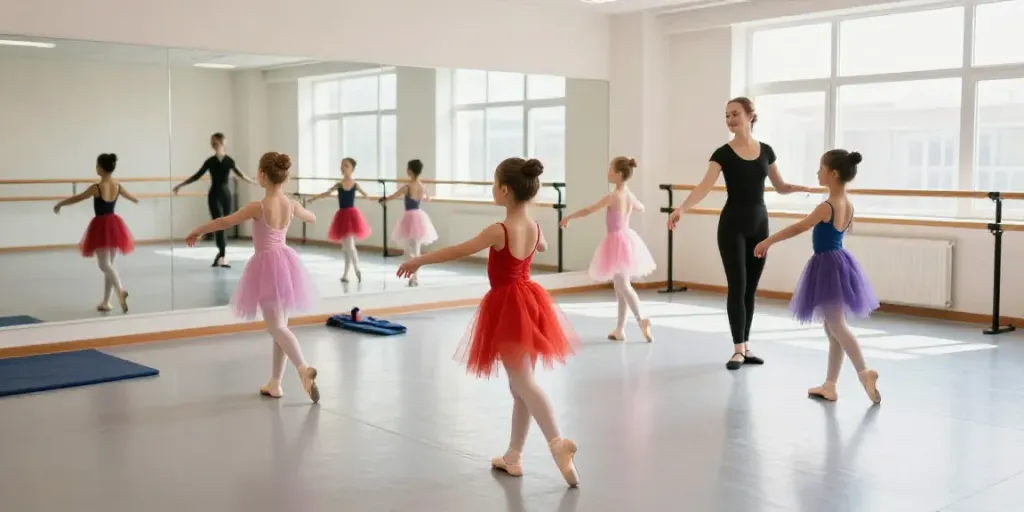
Introduction to Tutus and Dance Culture
The world of dance is captivating and rich with history, artistry, and culture. Among its most iconic symbols is the tutu, a garment that has evolved over centuries yet remains a staple in ballet and other dance forms. The tutu not only helps define the dancer's silhouette but also plays a crucial role in the expression and storytelling involved in performances. As we dive into the intricate universe of tutus and their significance in contemporary dance, we’ll examine their history, the artistry of dance, and current trends that are shaping dance apparel today. For those seeking high-quality tutus and dance essentials, tutu-store.com offers a diverse selection to meet every dancer's needs.
History and Evolution of Tutus
The tutu dates back to the early 19th century and has undergone numerous transformations throughout its existence. Originally, it was a long, skirt-like garment worn by ballet dancers to accentuate their movements. As ballet evolved, so did the design of the tutu, leading to the emergence of the bell-shaped tutu in the Romantic era, characterized by its voluminous layers that allowed for dramatic performances. The 20th century introduced variations like the classical tutu, which is shorter and stiffer, allowing for greater mobility, a design that has since become synonymous with professional ballet.
Importance of Dance in Artistic Expression
Dance is an intricate form of communication that transcends language, enabling dancers to express complex emotions and narratives through movement. The apparel worn, particularly tutus, enhances this expression. A well-crafted tutu can evoke a sense of elegance and grace, essential for conveying the themes of many dance pieces. Moreover, dance serves not just as entertainment but as a powerful form of cultural expression and identity, making it integral to various societies around the world.
Current Trends in Dance Apparel
As the world changes, so do the styles and materials used in dance apparel. There is a growing demand for sustainable practices in the fashion industry, affecting dancewear as well. Modern tutus are now available in various fabrics, from traditional tulle to innovative materials that enhance performance while maintaining aesthetic appeal. Additionally, many dancers are embracing colorful and varied designs, moving away from the classic white tutu to incorporate elements that reflect personal style and contemporary fashion trends.
Choosing the Right Tutu for Your Style
Choosing the right tutu can be a daunting task given the numerous styles and options available. Understanding your personal style, the type of dance you will perform, and the specific requirements of your performance will guide you in making the best choice. Consider visiting platforms like tutu-store.com for a comprehensive overview of options that fit different dance styles and preferences.
Types of Tutus and Their Uses
Tutus come in several styles, each serving a unique purpose in various dance genres. The classical tutu, often seen in ballet, features a stiff, short design that allows for a full range of movement and is ideal for performances requiring agility. In contrast, the romantic tutu is longer and softer, providing a flowing appearance that enhances the emotional depth of contemporary dance. Finally, there are costume tutus designed for thematic performances, which can incorporate vibrant colors and accessories, making them perfect for competitions and showcases.
Factors to Consider When Buying a Tutu
When purchasing a tutu, consider the following factors to ensure the best fit and functionality:
- Purpose: Determine if the tutu is for practice, performance, or a specific event.
- Material: Opt for breathable and stretchable fabrics that accommodate movement.
- Size: Ensure proper sizing to avoid discomfort and allow for ease of movement.
- Style: Choose a design that reflects your personal aesthetic or the character of your performance.
How to Choose the Right Size and Fit
Finding the right size and fit for a tutu is crucial for comfort and performance. Take measurements of the waist, hips, and length preferences before making a purchase. Many retailers provide size charts to assist in this process. Additionally, consider the type of closure the tutu has, whether elastic, drawstring, or zipper, as these can influence the overall fit.
Care and Maintenance of Dance Costumes
Proper care and maintenance of your tutu and other dance costumes are essential to extend their lifespan and keep them looking pristine. Understanding how to wash, store, and repair your garments can save you time and money in the long run.
Washing and Storing Tutus Properly
Tutus should be handled delicately during washing to maintain their shape and fabric integrity. Hand washing in cold water with a gentle detergent is recommended. After washing, lay the tutu flat to dry, avoiding direct sunlight to prevent color fading. For storage, ensure that the tutu is hung in a cool, dry place, away from moisture and heat sources, to avoid damage.
Repairing Common Damage
Common issues with tutus include frayed seams, snags, and lost elasticity. Minor repairs can often be handled with simple sewing techniques. For significant damage, consider consulting a professional who specializes in dancewear repairs to ensure the integrity of the costume is maintained.
Extending the Lifespan of Dance Attire
To maximize the durability of dance attire, follow these tips:
- Avoid Excessive Wear: Rotate costumes during performances to prevent wear and tear.
- Handle with Care: Always be gentle when putting on or taking off your tutu.
- Regular Inspections: Frequently check for any damage and address it promptly.
Incorporating Tutus into Performances
When preparing for a performance, the tutu plays a pivotal role in the overall aesthetic and impact of the routine. Here, we explore ways to effectively incorporate tutus into your dance performance.
Styling Tips for Recital Looks
Creating a visually striking recital look starts with matching the tutu to the theme of the performance. Complementing accessories, such as hairpieces, tights, and footwear, can enhance the overall appearance. Consider color coordination and patterns to create a cohesive look that captures the audience's attention.
Creative Ways to Accessorize Your Tutu
Accessories can transform a simple tutu into a stunning outfit. Options include:
- Headpieces: Flowers, tiaras, or themed hats can add flair.
- Footwear: Choose shoes that accentuate the tutu and provide comfort.
- Jewelry: Sparkling necklaces and bracelets can add a touch of glamour.
Real-World Examples from Dance Schools
Many dance schools are setting trends with unique tutu designs and performance styles. For instance, some schools incorporate LED elements into their costumes, creating visually stunning effects during performances. This innovation not only showcases creativity but also highlights the growing influence of technology in the world of dance.
Future of Dance Fashion in 2026
As we look ahead, several trends are emerging that will shape the future of dance fashion, particularly in tutu design and functionality.
Emerging Trends in Dancewear
The demand for personalized dancewear is on the rise, with custom designs becoming increasingly popular. Dancers are looking for tutus that reflect their individual styles, leading to the rise of bespoke dance shops. Additionally, gender-neutral designs are gaining traction, ensuring inclusivity in dance apparel.
Technological Innovations in Fabric and Design
Advancements in fabric technology are paving the way for lighter, more breathable materials that offer greater flexibility and comfort. Innovations such as moisture-wicking fabrics and anti-microbial coatings are enhancing performance attire, allowing dancers to focus on their movements rather than their clothing.
Predictions for Dance Apparel Markets
The dance apparel market is poised for growth, with increasing interest from younger generations. As dance becomes more mainstream and integrated into fitness regimes and lifestyle choices, the demand for high-quality, stylish dancewear is expected to rise. Retailers must adapt to these changes to remain competitive, ensuring they meet the diverse needs of their customers.
What is the best fabric for tutus?
Typically, tulle is the fabric of choice due to its lightweight and airy properties. However, blending tulle with other materials like organza or satin can create a more dynamic look and feel.
How should I care for my tutu?
Handwashing is recommended to preserve the structure of the tutu. Additionally, always follow care instructions provided with the garment for the best results.
Where can I find custom tutus for performances?
Many online stores specialize in custom dancewear, allowing you to design tutus that meet your performance needs. Websites like tutu-store.com offer a variety of customizable options.
What are the latest trends in dance fashion?
Current trends include the incorporation of sustainable materials, personalized designs, and technology integration, shaping how dancers express themselves through their attire.
How do I choose the right size tutu for my child?
Always refer to the sizing charts provided by retailers, taking accurate measurements to ensure a perfect fit. It’s also helpful to consider the grow room for comfort during movement.