The Future of Smart Homes: Innovations on the Horizon
As technology rapidly advances, the concept of smart homes has evolved from a niche market to a mainstream expectation. Homeowners are increasingly looking to integrate smart solutions that enhance comfort, convenience, and security. In 2026, we anticipate a surge in smart home technology innovations aimed at simplifying everyday life. With products ranging from intelligent audio systems to sophisticated security solutions, جهان اسمارت is at the forefront of this revolution, offering a diverse lineup of offerings that cater to every need.
Emerging Technologies in Smart Home Automation
The smart home landscape is brimming with emerging technologies that promise to redefine the way we live. Innovations such as Artificial Intelligence (AI) and Machine Learning (ML) are paving the way for smarter systems that can learn user preferences and adjust accordingly. Enhanced network technologies like 5G are also set to enable faster and more reliable connections between devices, making real-time interaction more seamless.
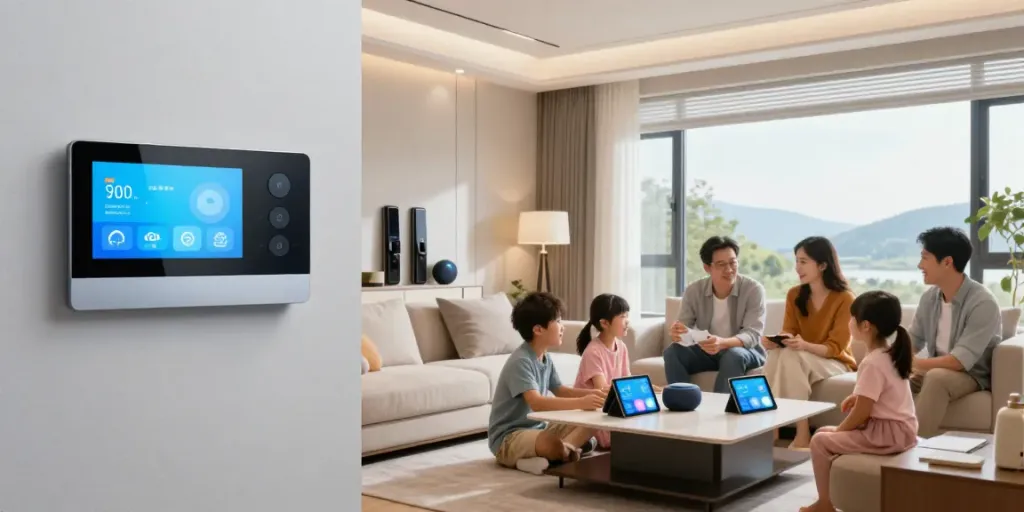
- Voice Control: Integration with virtual assistants such as Alexa, Google Assistant, and Siri allows users to control their smart devices hands-free.
- IoT Integration: The Internet of Things (IoT) connects various devices, enabling them to communicate and share data for more cohesive functionality.
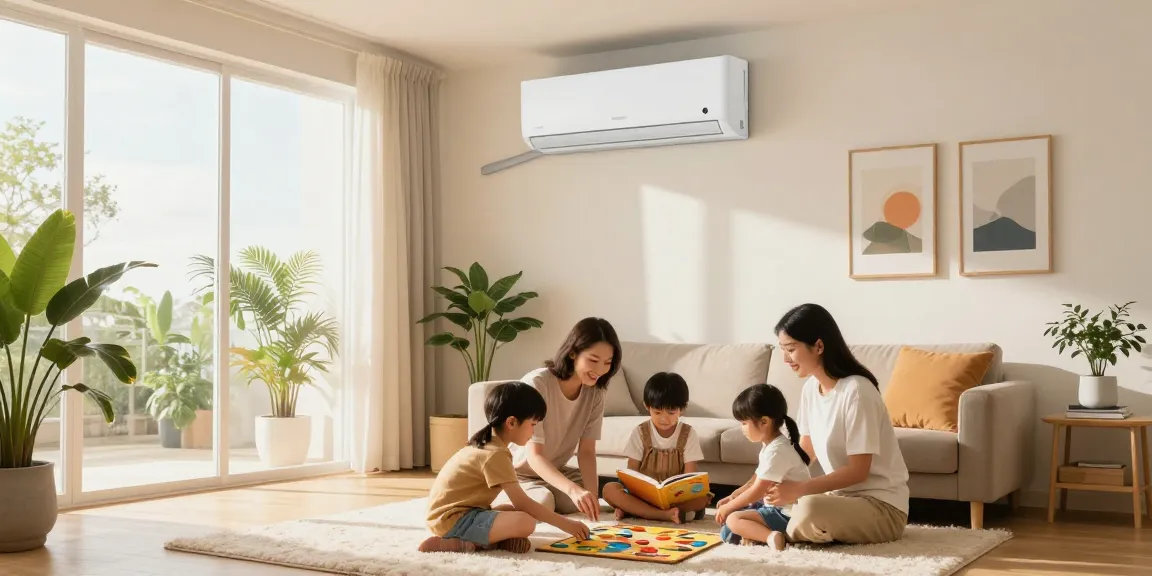
- Energy Efficiency: Smart thermostats and energy management systems help homeowners reduce costs and environmental impact.
Key Features to Look for in 2026
As you navigate through the smart home ecosystem, certain features should be prioritized to ensure you maximize your investment:
- Interoperability: Ensure that devices from different brands can communicate with one another, creating a unified smart home experience.
- Security Features: Look for devices that offer robust security measures, such as two-factor authentication and encryption, to protect your data.
- User-Friendly Interfaces: Devices should be easy to install and manage, with intuitive apps that provide clear insights and control.
How Smart Homes Enhance Daily Living
Smart homes significantly improve daily living by automating mundane tasks, enhancing convenience, and improving energy efficiency. Homeowners can enjoy the ability to control lighting, temperature, and security systems through their smartphones or voice commands. Smart appliances can notify users when maintenance is required, while smart locks enhance home security by allowing remote access or temporary guest codes.
Choosing the Right Smart Home Devices for Your Needs
Understanding Different Device Categories
Smart home devices can be broadly classified into several categories, each with unique functionalities:
- Smart Lighting: These devices allow homeowners to adjust brightness and color settings remotely.
- Smart Security: Cameras, sensors, and smart locks work together to provide increased security and peace of mind.
- Smart Climate Control: Smart thermostats optimize energy usage by learning occupants' schedules and preferences.
- Smart Sound Systems: Devices like smart speakers provide both entertainment and smart home control capabilities.
Best Brands and Models for 2026
When it comes to selecting devices for a smart home, some brands stand out for their reliability and features:
- Amazon Alexa: Leading the market in voice-control systems.
- Google Nest: Known for their integration of smart devices and ease of use.
- Philips Hue: Renowned for their high-quality smart lighting solutions.
- Ring: Popular for their comprehensive home security offerings.
Evaluating Product Reliability and Support
Before investing in smart home technology, it’s crucial to evaluate product reliability and the support provided by manufacturers. Look for products that come with warranties, customer support services, and user reviews to ensure that you’re making an informed choice.
Installation & Setup: Making Your Home Smart
DIY vs. Professional Installation: Pros and Cons
Choosing between DIY installation and professional services depends on your comfort level with technology and the complexity of the system:
- DIY Installation: Often more cost-effective and gives you complete control over the setup process.
- Professional Installation: Ensures expert handling of complex systems, minimizing the chances of errors.
Step-by-Step Installation Guides
For those opting for DIY, comprehensive installation guides are crucial. Manufacturers usually provide detailed instructions on their websites or product manuals to guide users through the setup process seamlessly.
Common Installation Mistakes to Avoid
Common pitfalls during installation include insufficient planning, overlooking compatibility issues, and neglecting to secure networks. Taking time to research can prevent these errors and lead to a smoother installation process.
Maximizing Efficiency and Functionality in Your Smart Home
Integrating Devices for Seamless Operation
The true potential of a smart home is realized when devices are integrated to work together. For example, linking smart thermostats with smart blinds can optimize energy usage based on the weather and time of day.
Energy Management and Cost Savings
Smart home technology enables homeowners to monitor energy usage closely. Devices like smart plugs can be programmed to turn off during peak hours, thereby reducing electricity bills.
Security Features: Keeping Your Home Safe
Security is a paramount concern for homeowners. Smart home technology offers advanced security features, including real-time monitoring through security cameras, smart locks that can be accessed remotely, and alarms that send alerts when unexpected activity is detected.
Real-Life Applications and Success Stories of Smart Homes
Case Studies from Happy Homeowners
Numerous homeowners have successfully transformed their living spaces into smart homes, enhancing their lifestyles. For instance, a family reported a 30% reduction in energy costs after installing a smart thermostat and integrating it with their solar panels.
How Businesses are Adopting Smart Technology
Commercial spaces are also embracing smart technology to streamline operations, improve security, and enhance customer experiences. From smart building management systems to energy-efficient lighting, businesses are reaping the benefits of automation.
Future Trends in Home Automation
The future of home automation looks bright with trends such as increased adoption of AI, advancements in natural language processing for greater voice command capabilities, and more comprehensive home automation packages that cater to diverse lifestyles.
What Are the Benefits?
Investing in smart home technology offers numerous benefits, including increased convenience, enhanced security, and improved energy efficiency. As systems become more interconnected and user-friendly, homeowners are likely to enjoy even greater advantages.
Is Smart Home Technology Worth It?
While the initial investment may be significant, the long-term benefits in terms of savings, convenience, and enhanced quality of life make smart home technology a worthwhile investment for many homeowners.